
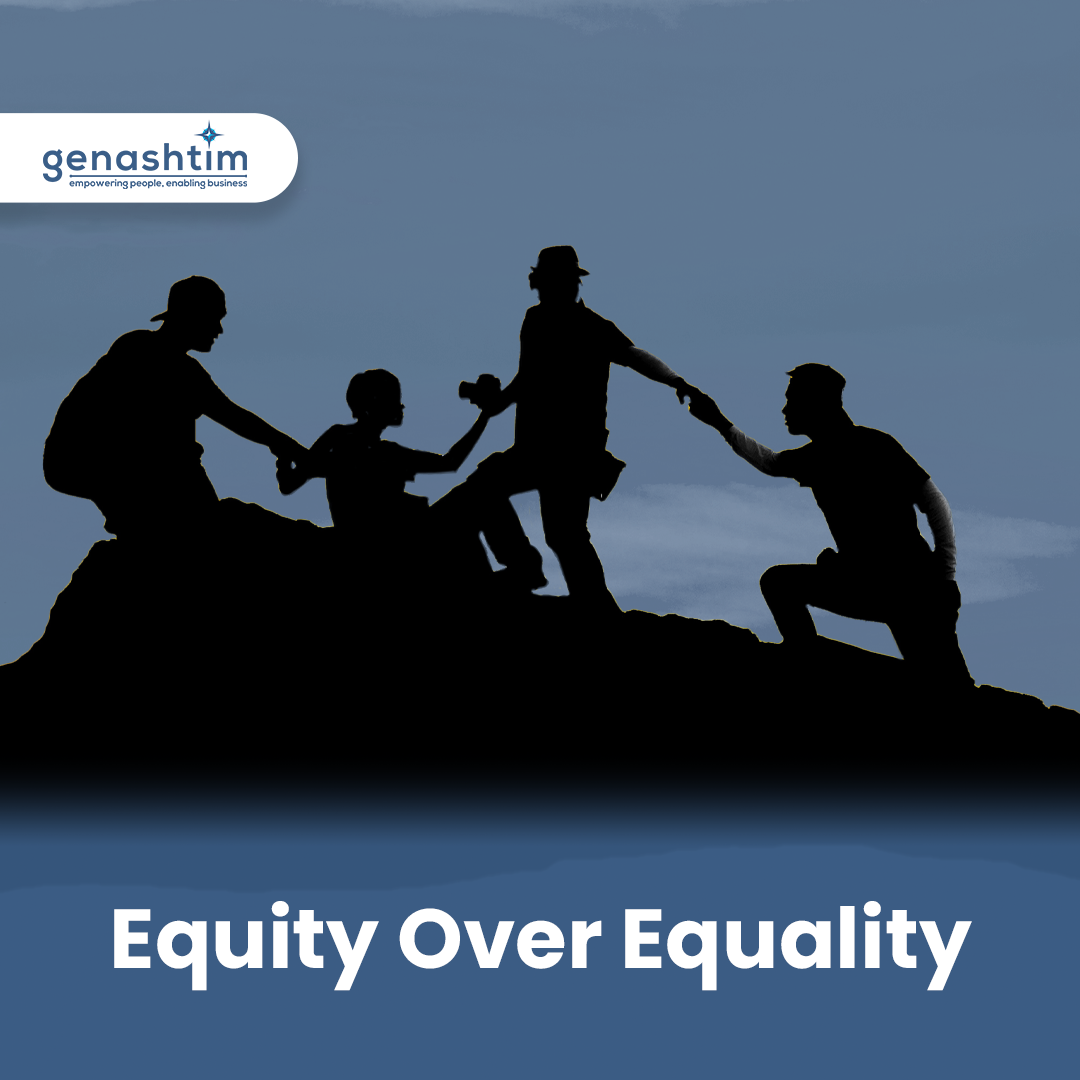
Equity Over Equality
Written by: Faryal Batool
I have a cat and a dog. I feed them the same food, in the same quantity, because I believe in equality.
But there is a problem. If the portion is small, my dog keeps asking for more. If the portion is large, my cat eats a little, walks away, and the rest of the food is wasted.
So, what am I doing wrong?
The issue is not intent, nor is it neglect. The issue is the assumption that equal treatment will naturally lead to fair outcomes. In reality, a cat and a dog have different needs, behaviors, and capacities. Treating them identically does not account for those differences and leads to inefficiency and imbalance.
This simple analogy reflects a broader challenge across systems that shapes how resources, opportunities, and expectations are distributed. Equality, while well-intentioned, doesn’t always result in fairness. This is where equity becomes essential, and why the “E” in DEI matters.
What Equity Means in Practice
Equity is a framework for understanding how systems distribute access, opportunity, and outcomes, and for addressing imbalances that arise as a result.
The purpose of equity isn’t to treat everyone the same, but to ensure that systems are designed in a way that allows people to succeed, given different starting points and constraints. The goal is fair outcomes, not identical inputs.
Inequity by Design
To understand why equity matters, we must examine how seemingly fair systems can yield unfair results. Systemic inequity often emerges not from overt bias, but from long-standing practices that appear objective or merit-based. These practices, however, can produce consistent and measurable disparities over time.
Hiring and talent development provide a clear example. Requirements such as credentials from select institutions, uninterrupted career paths, or experience in specific organizations are commonly treated as indicators of merit.
In practice, they can exclude capable individuals who lack access to elite education, take career breaks, enter the workforce through non-traditional pathways, or face barriers due to disabilities. The result is a narrower definition of talent rather than a lack of ability.
These disparities don’t depend on biased intent. Systems can produce unequal outcomes simply by applying rules without considering different starting points. And when gaps appear, they’re often explained as differences in motivation, cultural fitness, or performance, rather than as structural consequences.
Shifting the Perspective
An equity lens changes this perspective. It moves the focus from determining whether policies are applied consistently to whether they produce fair outcomes.
For leaders and HR professionals, this approach enables data-driven evaluation, reduces unintended exclusion, and better leverages organizational talent. Equity is about designing systems that align with organizational goals, manage risk, and support long-term performance.
Why Equity Is Essential to Effective DEI
DEI efforts risk being symbolic rather than transformative if they focus only on representation without examining the systems that shape retention, advancement, and access to leadership.
Equity shifts the focus from intention to impact. It prompts organizations to ask whether policies and practices genuinely support diverse talent, including people with disabilities, career-break returners, and those from non-traditional backgrounds, or whether they unintentionally reinforce existing advantages.
Equity doesn’t lower standards or replace accountability. Rather, it ensures that expectations are meaningful, accessible, and aligned with the actual requirements of the role or outcome.
By integrating equity, DEI moves beyond aspiration and becomes actionable. It allows organizations to design systems that are fair, inclusive, and capable of unlocking the full potential of their workforce.
How Equity Supports Organizational Performance – The Genashtim Example
Equity isn’t just a social or ethical consideration; it’s a strategic one. But what does this look like in practice?
Genashtim provides a useful example of equity in action. The organization focuses on inclusive employment, particularly for people with disabilities, by designing work structures that prioritize flexibility, accessibility, and outcome-based performance.
Rather than requiring individuals to adapt to rigid workplace norms, Genashtim adapted the workplace itself. A 100% remote model, flexible schedules, and accessible technologies allowed the organization to access a broader talent pool without compromising performance expectations.
The result? Increased productivity and engagement, demonstrating that equity-driven design can strengthen, rather than dilute, organizational capability.
Moving Forward with Intentionality
Equity is not a temporary initiative or a compliance exercise but a way of evaluating how systems function and who they benefit.
As organizations operate in increasingly diverse and complex environments, relying solely on equal treatment will be insufficient. Equity provides the tools to align values with outcomes by addressing structural barriers and enabling broader participation.
This work requires thoughtful analysis, clear metrics, and sustained leadership commitment. It also requires a willingness to adjust long-standing practices when evidence shows they produce unequal results.
It is time to move beyond intentions and examine outcomes. When systems are designed with equity in mind, organizations are better positioned to attract talent, foster innovation, and achieve sustainable success.